

Are Herbal Horse Supplements Safe and Effective? – Key Takeaways :
- Herbal supplements can effectively support horse health, but quality and proper usage matter.
- Always consult with your vet before introducing herbal blends.
- Some herbs interact with medications; ensure compatibility with your horse’s regimen.
- Not all herbal supplements are created equal—brand credibility is essential.

Understanding Herbal Supplements for Horses – Are Herbal Supplements Safe and Effective?
Horse owners frequently explore herbal supplements as natural solutions to common issues like anxiety, digestion, or joint discomfort. Unlike synthetic supplements, herbal products derive their active components from plants such as chamomile, valerian, and raspberry leaves.
A great example is the Mare Magic Herbal Supplement. It’s popular among horse owners for helping mares stay calm and balanced.
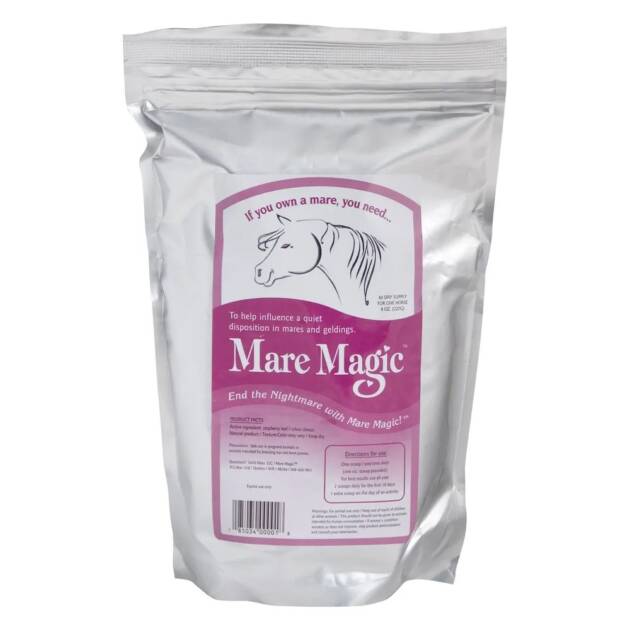
Herbal supplements offer several appealing benefits, such as fewer artificial chemicals and generally gentler effects on horses. However, effectiveness varies significantly between brands and formulations. I’ve seen horses respond amazingly to herbal blends, yet others show no noticeable difference. Always ensure you’re selecting high-quality products and carefully monitoring your horse’s response.
For more variety, you can explore our full range of equine supplements.
Are Herbal Horse Supplements Safe and Effective? The Facts
Herbal supplements can be very safe—but they’re not risk-free. Safety largely depends on dosage and quality of ingredients. Horses can react differently to herbs based on age, breed, and health conditions.
The FDA does not regulate herbal supplements as strictly as prescription medications. This means quality control varies considerably. Reputable brands clearly list ingredients, follow manufacturing standards, and include appropriate dosage instructions.
Safety Checklist for Horse Owners:
- Quality: Choose products from trusted brands.
- Ingredients: Confirm clear ingredient labels.
- Dosage: Follow recommended dosages closely.
- Consultation: Always ask your veterinarian first.
For instance, products like Calm & Collected Gold have clear labeling and trusted ingredients, making them safer choices.
Always be mindful of California’s Prop 65 warnings regarding potential harmful substances.

Effectiveness of Herbal Supplements: Science vs. Anecdotes
Herbal supplements can effectively address mild to moderate issues such as anxiety, digestive disturbances, and hormonal imbalances. Chamomile and valerian are two herbs frequently studied, demonstrating calming and anti-inflammatory properties.
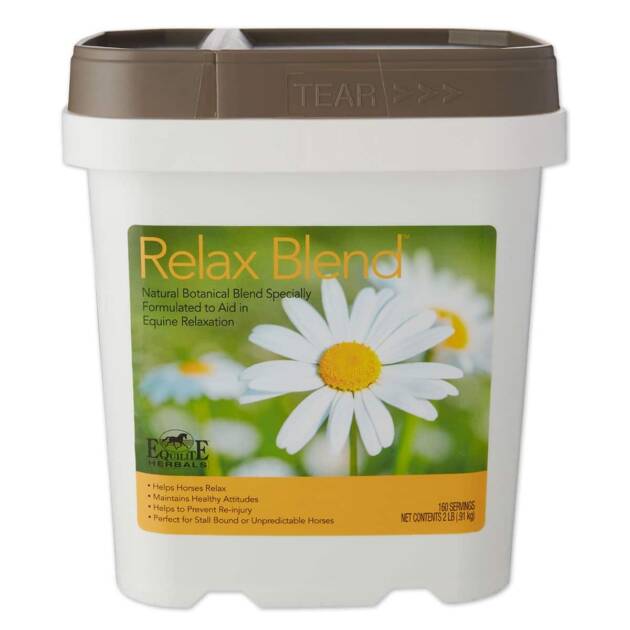
For example, Relax Blend™ effectively reduces stress in many horses, backed by numerous positive user experiences.
However, scientific research on herbal supplements often lags behind anecdotal evidence. This doesn’t mean herbs don’t work, but documented effectiveness is sometimes limited. Always look for products that combine herbal traditions with scientific evidence.
Herbs commonly studied:
- Chamomile: Calming effects
- Valerian: Reducing anxiety
- Raspberry Leaves: Hormonal balance
Herbal Supplements vs. Non-Herbal Supplements: A Practical Comparison
To visualize differences, consider this brief comparison:
| Factor | Herbal Supplements | Non-Herbal Supplements |
|---|---|---|
| Ingredients | Plant-based | Synthetic or isolated nutrients |
| Side Effects | Generally mild | Can vary from mild to severe |
| Effectiveness | Moderate, gradual | Often rapid, noticeable |
| Safety | Generally safe if quality-controlled | Typically rigorously tested |
| Price | Usually moderate | Wide price range |
Products like the Perfect Prep EQ™ Max Performance & Focus Bundle offer strong non-herbal alternatives when rapid results are essential.
Common Herbs Used in Equine Supplements & Their Benefits
Popular herbs and their typical uses:
- Chamomile: Reduces anxiety and promotes calmness.
- Valerian Root: Effective for nervous horses during transport or competition.
- Peppermint: Improves digestion, reduces gas and bloating.
- Garlic: Natural insect repellant and immune booster.
- Raspberry Leaf: Helps regulate hormones and soothe mares in season.
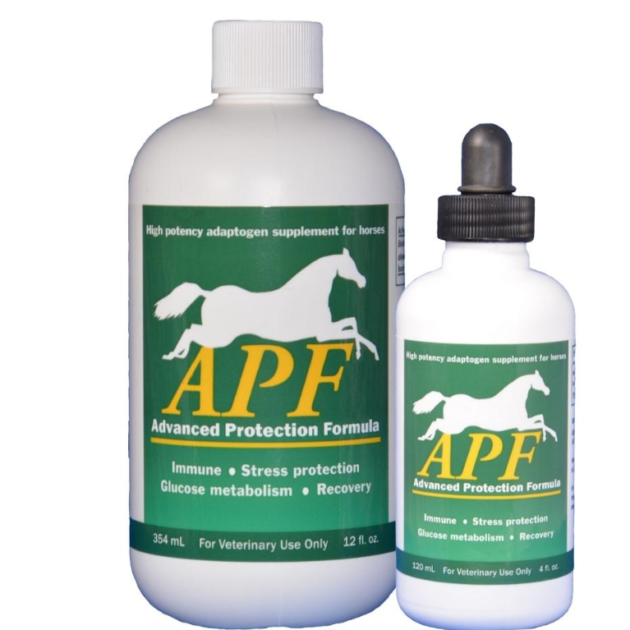
APF Horse Supplements offer excellent herbal-based wellness support.
Potential Risks and Side Effects to Watch For
Even natural herbs carry some risks. Potential issues include allergic reactions, digestive upset, or interaction with medications. Some horses might also reject the taste or smell of herbal blends.
Always introduce supplements gradually and monitor closely. If you notice adverse reactions—like sudden behavioral changes or digestive disturbances—stop using the supplement immediately and consult your vet.
How to Choose High-Quality Herbal Supplements for Your Horse
Here’s how to select reliable herbal supplements:
- Brand Reputation: Choose brands known for transparency and quality.
- Clear Labeling: Ingredients and dosage instructions should be clear.
- Positive Reviews: Look for user testimonials and vet endorsements.
- Scientific Backing: Products supported by research are preferable.
Explore more options at our Horse Care category.
Vet Advice: Integrating Herbal Supplements Safely
Integrating herbal supplements safely involves professional oversight. Your veterinarian can confirm safe dosages, avoid harmful interactions, and suggest best practices.
Quick Vet Tip:
“Start small. Introduce one herbal supplement at a time. Keep a detailed log of your horse’s behavior and health. This helps you track effectiveness accurately.”
Frequently Asked Questions
Do herbal horse supplements actually work?
Many horse owners and vets report positive outcomes, especially for calming and digestion. Results vary widely depending on quality and dosage.
Are herbs safe for horses?
Generally safe, but quality and dosage are key. Always follow instructions and consult your vet.
What are common disadvantages of herbal supplements?
Potential interactions with medications, inconsistent quality, and slower results compared to synthetic supplements.
How soon do herbal supplements show results?
Typically, results can be seen in a few days to several weeks depending on the supplement type and horse.
Can herbal supplements be used alongside medications?
Usually yes, but consult your veterinarian first. Herbs can sometimes interfere with certain medications.