

Horse leg protection for injuries – Key Takeaways
- Proper horse leg protection for injuries is essential to prevent common injuries during riding, training, or turnout.
- Different types of leg protection include polo wraps, boots, bandages, and therapy wraps—each suited for specific uses.
- Selecting the right fit and material can greatly improve safety and comfort for your horse.
- Regular inspection and maintenance of wraps and boots help prolong their life and keep legs safe.
- Innovative products like Lux Ceramic Therapy® Quick Wraps offer enhanced healing benefits alongside protection.
1. Why Horse Leg Protection Matters for Injury Prevention
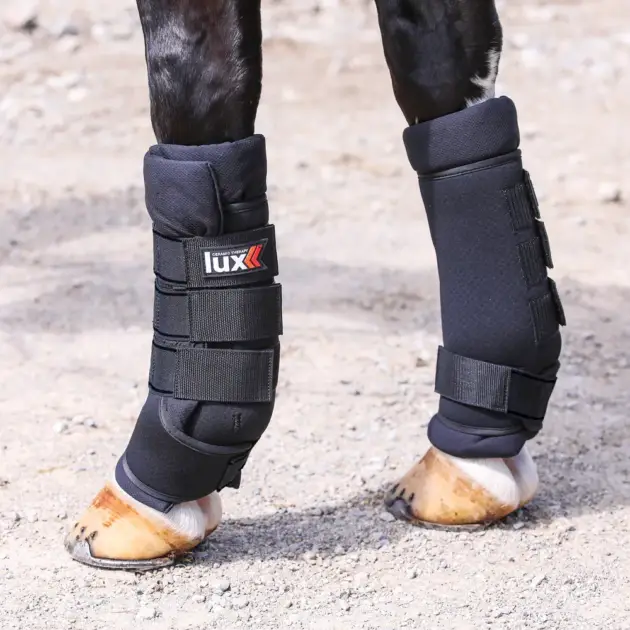
When working with horses, injuries to their legs are a common risk. Horses’ legs bear a lot of stress from movement, training, and sometimes accidents. Protecting the legs reduces the risk of cuts, bruises, tendon strains, and more serious injuries.
Leg protection includes wraps, boots, and bandages designed to absorb shock, protect tendons, and prevent interference injuries caused by one leg hitting the other.
I’ve seen many horse owners underestimate leg protection until their horse faces an injury—trust me, it’s better to be proactive. For effective protection, try products like the Lux Ceramic Therapy® Quick Wraps, which offer therapeutic benefits beyond basic coverage.
For more on horse care, check out the horse boots and leg wraps category.
2. Types of Horse Leg Protection For Injuries: What Works Best?
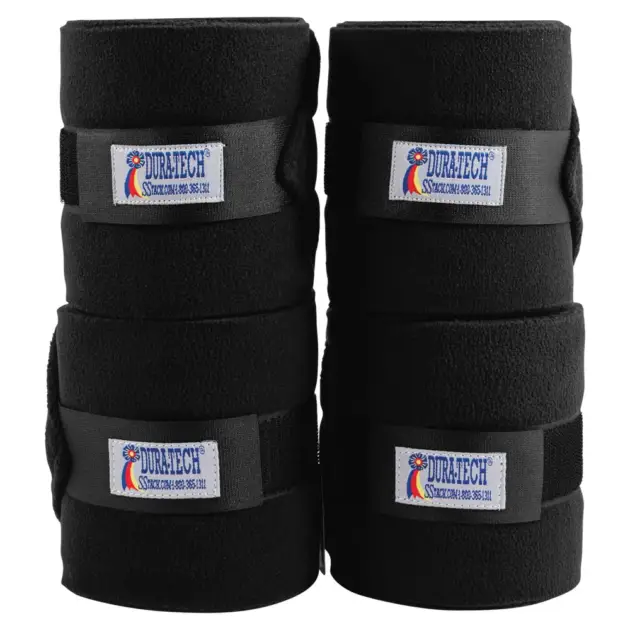
Horse leg protection comes mainly in these types:
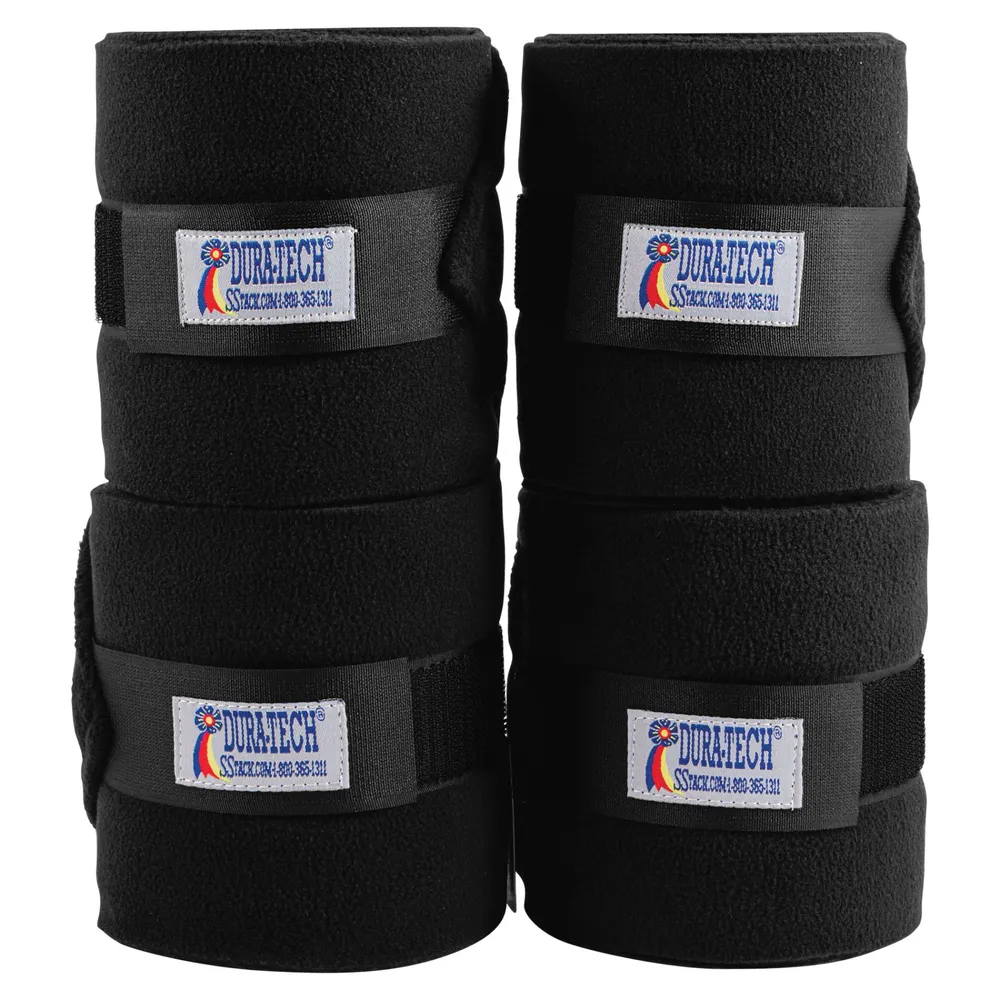
- Polo Wraps: Flexible fabric wraps (like the Dura-Tech® 16oz Deluxe Polo Wraps) that provide support and mild protection for daily workouts.
- Protective Boots: These include brushing boots, splint boots, and tendon boots designed to shield from impacts.
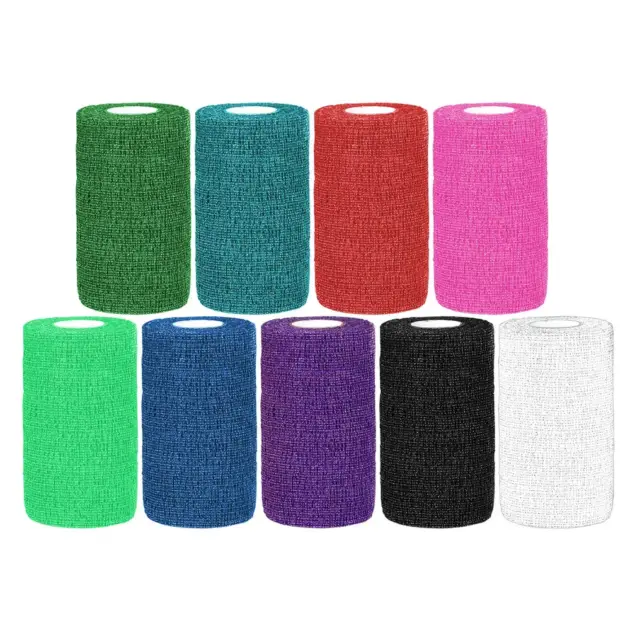
- Bandage Wraps: Such as Co-Flex Bandage Wraps, these offer compression and support but need to be applied properly.
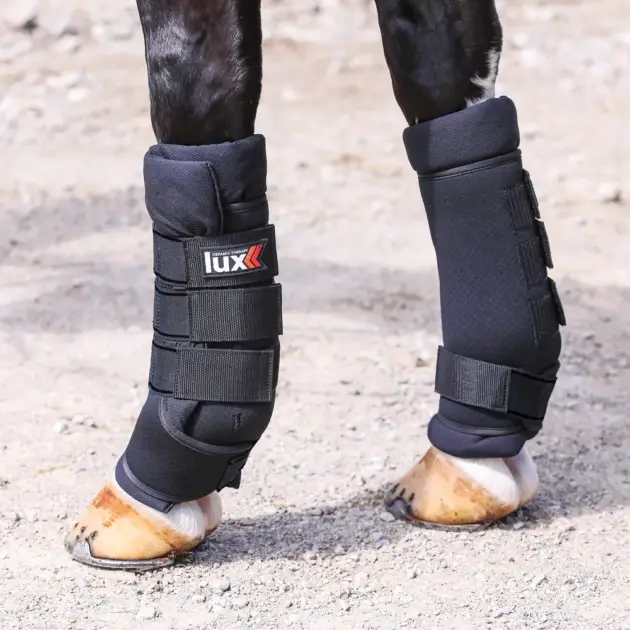
- Therapeutic Wraps: Like the Lux Ceramic Therapy® Quick Wraps, which also help with inflammation and healing.
Each type serves a purpose, and often you’ll need more than one kind depending on the horse’s activity. For instance, polo wraps are great for schooling but boots are better for trail rides or competitions.
Explore all options at the horse boots and leg wraps shop.
Horse Leg Protection Comparison Table
| Product | Type | Material | Key Benefits | Best For |
|---|---|---|---|---|
|
Lux Ceramic Therapy® Quick Wraps
|
Therapy Wraps | Ceramic-infused fabric | Improves circulation, reduces inflammation, promotes healing | Injury recovery, soreness relief |
|
Dura-Tech® 16oz Deluxe Polo Wraps
|
Polo Wraps | Durable cotton blend | Strong support, lightweight, breathable | Daily exercise, light support |
Co-Flex Bandage Wrap
|
Bandage Wrap | Flexible adhesive fabric | Adheres securely, waterproof, flexible | Injury dressing, waterproof coverage |
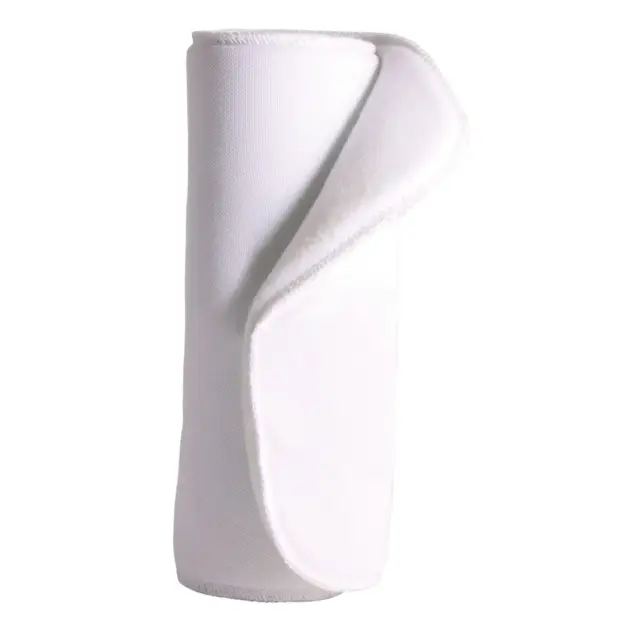
Dura-Tech® Tekno-Dri® No Bow Leg Wraps
|
No Bow Wraps | Moisture-wicking synthetic | Prevents tendon injuries, breathable, durable | Training, injury prevention |
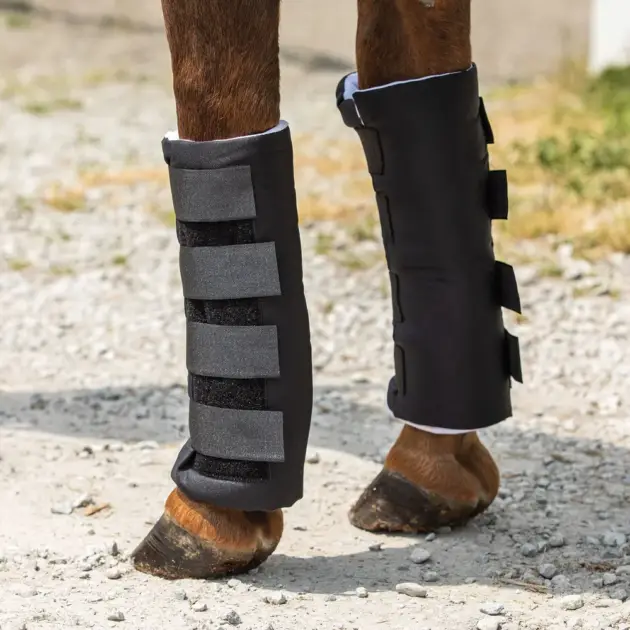
Dura-Tech® Quick Wrap No Bow Leg Wraps
|
No Bow Wraps | Soft, moisture-wicking polyester | Easy to apply, protects tendons | Daily training, tendon protection |
3. How to Choose the Right Leg Wrap or Boot
When choosing horse leg protection, consider:
- Fit: Too tight can cause pressure sores; too loose offers no protection. Measure your horse’s leg circumference carefully.
- Material: Breathable, durable fabrics like neoprene or Dura-Tech® fabrics keep legs cool and safe.
- Purpose: Match the product to your horse’s workload. For heavy training, more robust boots are better; for light work, polo wraps might suffice.
- Ease of Use: Quick wraps and Velcro closures help with fast, secure application.
I recommend products like Dura-Tech® Tekno-Dri® No Bow Leg Wraps for horses prone to tendon injuries, due to their excellent support and moisture-wicking features.
4. Proper Application: Wrapping Your Horse’s Legs
Applying leg wraps correctly is just as important as the product choice. Here’s a simple how-to:
- Start with clean, dry legs.
- Lay the wrap flat and place it at the back of the leg.
- Wrap snugly but not too tight, moving frontward and overlapping by half.
- Secure the Velcro or tape, ensuring no wrinkles or bunches.
- Always check for even pressure—uneven wraps can cause swelling or injury.
For easy application, Co-Flex Bandage Wraps are great because they stretch and conform to leg shape without pins or clips.
5. When to Use Horse Leg Protection For Injuries
Horse leg protection is critical during:
- Training and exercise: To prevent repetitive strain injuries.
- Transport: Protect legs in trailers from bumps.
- Turnout: Especially for horses prone to kicking or rough play.
- Recovery: Use therapeutic wraps like the Lux Ceramic Therapy® Quick Wraps post-injury or inflammation.
Always consult your vet for tailored advice on protective gear for your horse’s specific needs.
6. Cleaning and Maintenance of Boots and Wraps
To ensure long-lasting protection:
- Rinse boots and wraps after every use.
- Wash regularly following manufacturer instructions.
- Dry completely before storing to avoid mold or mildew.
- Inspect for wear and tear; replace worn-out products immediately.
Keeping gear clean prevents infections and prolongs usability. For durable and easy-care options, check the Dura-Tech® polo wraps.
7. Common Injuries Prevented by Horse Leg Protection
Proper leg protection helps avoid:
- Tendon strains and sprains
- Brushing and interfering injuries (when one leg hits the other)
- Cuts and abrasions from rough terrain or fencing
- Swelling and inflammation after hard work
Many riders find no-bow wraps like the Dura-Tech® Tekno-Dri® No Bow Leg Wraps especially effective in preventing tendon injuries.
8. Expert Tips for Choosing & Using Horse Leg Protection
- Always test new wraps for comfort and fit on your horse before rigorous use.
- Rotate different types of wraps to allow your horse’s legs to “breathe.”
- Consult your farrier or vet if you notice swelling or discomfort.
- Use therapeutic wraps after intense exercise for faster recovery.
- Keep a spare set of wraps handy in your tack room for emergencies.
I personally recommend starting with trusted brands like Co-Flex Bandage Wraps for their ease of use and reliability.
Frequently Asked Questions
Q: What type of leg protection is best for daily riding?
A: Polo wraps are a versatile choice for daily riding, offering moderate support and protection.
Q: Can leg wraps cause injuries if applied incorrectly?
A: Yes, improper wrapping can cause pressure sores or restrict blood flow.
Q: How often should I replace horse boots or wraps?
A: Replace when you see signs of wear, tear, or loss of support.
Q: Are therapy wraps worth the extra cost?
A: Therapy wraps provide additional healing benefits but are best used in consultation with a vet.
Q: Can I use the same leg protection for turnout and training?
A: It’s better to have specific wraps or boots for turnout and different ones for training to match protection needs.
Always check product safety information at California Proposition 65.