

Horse Deworming Schedule – Key Takeaways
- Following a consistent horse deworming schedule is essential to keep your horse healthy and parasite-free.
- Different types of dewormers target different parasites; timing your treatments properly maximizes effectiveness.
- Seasonal and age factors affect when and what dewormer to use.
- Regular fecal egg counts and veterinary advice can help customize your deworming program.
Understanding Why a Horse Deworming Schedule Matters
Parasites like roundworms, tapeworms, bots, and strongyles can cause serious health problems in horses, including weight loss, colic, and poor coat condition. Maintaining a horse deworming schedule reduces parasite loads, improving your horse’s wellbeing.
Effective deworming isn’t just about regular dosing; it’s about knowing when and what to treat, adapting to parasite life cycles and environmental conditions. Overuse or misuse of dewormers can lead to resistance, making parasite control more challenging.
When to Deworm Your Horse: Seasonal Guide
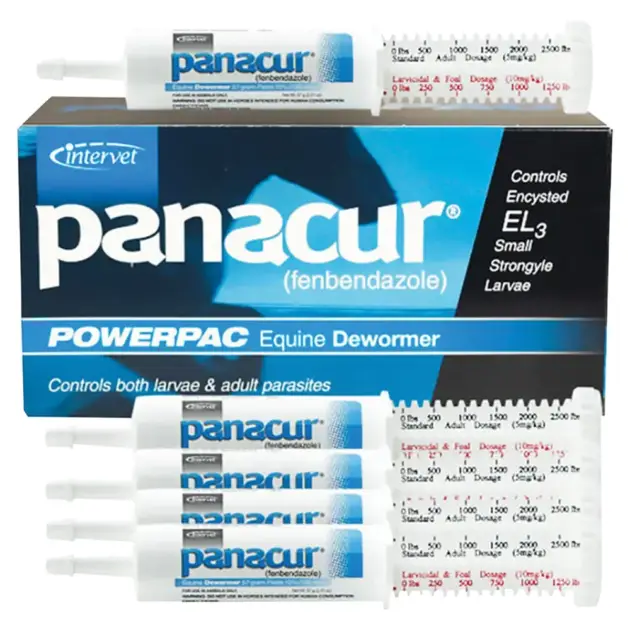
Spring: Focus on eliminating overwintering parasites like encysted small strongyles. Dewormers like Panacur Powerpac Dewormer are effective here.
Summer: Target bots and tapeworms, which become active in warmer months. Products such as Quest Gel Horse Dewormer work well during this period.
Fall: Ideal time to reduce parasite load before winter hibernation. Broad-spectrum dewormers like Zimecterin Gold Horse Dewormer help clear resistant parasites.
Winter: Usually less active parasite season, but strategic deworming may be needed for high-risk horses or climates.
Age & Health Considerations in Deworming
Young horses (foals and yearlings) often need more frequent treatments because they are more susceptible to heavy parasite loads. Older horses may require tailored schedules based on health status and pasture conditions.
Consult your veterinarian to create a custom deworming schedule considering your horse’s age, health, and local parasite risks.
Common Deworming Products and Their Uses
Zimecterin Gold Horse Dewormer
An effective ivermectin-based option that targets a broad spectrum of parasites. Suitable for many seasonal treatments.

Quest Gel Horse Dewormer
Ideal for tapeworms and bots, especially useful during summer months.

Panacur Powerpac Dewormer
Used mainly for encysted small strongyles in spring and fall.
Equimax Dewormer
A broad-spectrum dewormer effective against multiple parasites, often used in rotation.

How to Monitor Parasite Control Effectiveness
Perform regular fecal egg counts to assess parasite burden. This helps avoid unnecessary treatments and reduces drug resistance risk. Your vet can advise how frequently to test and interpret results.
Best Practices for Deworming
- Use correct dosing based on your horse’s weight to ensure efficacy.
- Rotate dewormer classes yearly to minimize resistance.
- Maintain clean pasture and remove manure regularly.
- Avoid deworming all horses at once to prevent re-infestation.
Sample Horse Deworming Schedule
| Season | Parasite Focus | Recommended Dewormer |
|---|---|---|
| Spring | Encysted small strongyles | Panacur Powerpac Dewormer |
| Summer | Bots, tapeworms | Quest Gel Horse Dewormer |
| Fall | General parasite control | Zimecterin Gold Horse Dewormer or Equimax |
| Winter | Target high-risk cases only | Consult your vet |
| Month | Age Group | Recommended Dewormer | Notes |
|---|---|---|---|
| January – February | All Horses | Zimecterin Gold / Quest Gel | Focus on encysted small strongyles; cold months |
| March – April | Foals & Yearlings | Panacur PowerPac / Panacur 25g | Control ascarids and tapeworms |
| May – June | Adult Horses | Equimax / Quest Plus | Broad spectrum, tapeworm control |
| July – August | All Horses | Strongid / Zimecterin | Target large strongyles and bots |
| September – October | Adult Horses | Panacur PowerPac / Zimecterin Gold | Fall cleanup, encysted strongyles |
| November – December | All Horses | Quest Gel / Equimax | Prepare for winter, comprehensive control |
FAQs – Horse Deworming Schedule
Q: How often should I deworm my horse?
A: It depends on your location, horse’s age, health, and risk level. Most programs recommend 3-4 times a year, but consult your vet for personalized advice.
Q: Can I use the same dewormer all year?
A: Rotating dewormer classes is advised to prevent resistance.
Q: What if my horse is pregnant?
A: Some dewormers are safe during pregnancy; always check product labels and consult your vet.
Q: Are natural or herbal dewormers effective?
A: Limited evidence supports their effectiveness compared to FDA-approved products.
For more information and to browse our selection of effective dewormers, visit our horse dewormer category or explore the full shop.
Important Safety Note:
Always read and follow product instructions carefully. Consult your veterinarian before starting any deworming program. For safety and regulatory info, refer to California Proposition 65 warnings.