

Horse First Aid Kit Essentials – Key Takeaways
- A horse first aid kit essentials setup should cover 3 “fast problems”: bleeding/wounds, colic signs, and leg swelling/support.
- For wounds, you need a cleaning plan + a dressing plan + a protection plan (so the wound stays clean after you walk away).
- For colic support, your kit should help you monitor, keep the horse safe, and buy time until your vet arrives.
- Stock at least one topical antimicrobial ointment for minor skin wounds, like Furazone® Nitrofurazone Ointment. (Stallion)
- For spasmodic colic cases that your vet has confirmed before, Buscopan Injection is described as fast-acting (minutes) and short duration, which helps with assessment. (Stallion)
- A “fecal-first” deworming plan is great, but dewormers don’t replace first aid; keep parasite control separate from wound/colic response.
Outline (quick)
- Build the kit around: wound care, bandaging/wraps, colic monitoring + emergency support, records + refill system, and safety/compliance.
- Use a “grab-and-go” layout: Barn Kit + Trailer Kit + Mini Pocket Kit.

Horse First Aid Kit Essentials Checklist: Start With a 3-Zone Kit (Barn, Trailer, Pocket)
A strong horse first aid kit essentials system starts with where emergencies actually happen. It happens in the stall, at turnout, or on the trailer. So I build three kits: a main barn kit, a smaller trailer kit, and a tiny “pocket kit” that stays in my grooming tote. It sounds extra, but it saves time when your hands are shaking a bit.

In the barn kit, keep bulk items: saline, gauze, vet wrap, scissors, thermometer, wound wash, and a few wraps. In the trailer kit, keep duplicates of the things you would panic about not having: bandage materials, a digital thermometer, gloves, and a colic “monitor card.” Then the pocket kit is simple: gloves, a small roll of cohesive bandage, and a couple gauze pads.
If you want a clean place to shop and refill without hunting around, I like using one main hub link for restocks, like Equine Essential Hub shop for horse care essentials. It keeps your kit consistent across seasons.
My small expert tip: label everything with a fat marker. I’ve seen ppl grab the wrong tube at night because two ointments looked the same. A label that says “WOUND ONLY” or “NOT FOR EYES” is low effort and high value.
Also, choose one spot where the kit lives, always. If you move it “just for today,” that’s usually the day you need it.
Wound Care Basics: Clean, Dress, Protect (Without Overthinking It)
Wound care gets messy fast. The goal is simple: clean the wound, cover it, and keep it clean after the horse moves. A lot of owners skip the last part and wonder why the wound looks worse 12 hours later.

Start with your cleaning step. Use clean water or saline to rinse off grit. If you use an antiseptic, dilute it if needed and avoid burning the tissue. Then you dress it with a sterile pad and secure it.
For topical support on minor wounds, scrapes, and skin irritation, one classic option is Furazone® Nitrofurazone Ointment for horses, which the product page positions as broad-spectrum antimicrobial support for minor skin issues. (Stallion)
Here’s the piece that people forget: protection. Horses rub. They roll. They step in mud. So the bandage system matters as much as the ointment. If it’s a lower leg wound, use a non-stick pad, then cotton, then a secure wrap layer.
Quick “real life” check I use: if the bandage slips with one lap around the barn aisle, it will not survive turnout. You either need a better base layer or you need to keep the horse in and monitor.
If you need more wound and care options to match your situation, browse Horse Care New (first-aid and stable care category) and pick products based on the problem, not the hype.
Horse First Aid Kit Essentials Tips for Bandaging & Wraps: The “No Wrinkles, No Drama” Rule
Bandaging is where good intentions can cause problems. Too loose means it slips. Too tight means pressure. Wrinkles mean rubs. So your kit should include wraps that are easy to apply consistently, even when you’re tired.

If you ride a lot, a basic set like Dura-Tech® 16oz Deluxe Polo Wraps can help with light support and protection during exercise or trailering. (Stallion) But for true first aid, I also want a cohesive bandage (for holding gauze in place) plus a more structured wrap option.
One helpful habit: practice wrapping on a calm day. I know, it sounds boring. But it’s kinda common to see someone learn wrapping while the horse is already sore, and that’s a rough time to “figure it out.”
Here’s my simple wrap checklist:
- Wrap on clean, dry hair.
- Start mid-cannon and work evenly.
- Keep tension consistent (not tighter at the bottom).
- End with closures facing outward so nothing rubs the other leg.
If you want to build a wrap section in your kit fast, the Horse Boots & Leg Wraps collection makes it easy to compare styles (polo wraps, no-bow, quick-wrap types). (Stallion)
One more tip: keep scissors that cut bandage material cleanly. Dull scissors turn a calm job into a wrestling match. I’ve lived that, not fun.
Leg Support for Swelling, Stocking-Up, and Travel Days
Wounds are obvious. Swelling is sneakier. A horse can look “fine” after a long haul, then stock up overnight. So your horse first aid kit essentials should include leg support options for travel and stall rest.

If you do shipping or standing bandages, no-bow wraps are useful because they create an even base under a bandage. A product example is Dura-Tech® Tekno-Dri® No Bow Leg Wraps, which is described as moisture-wicking and shock-resistant.
Now, important: wraps don’t “fix” tendon injuries. They support and protect. If the horse is hot, lame, or swelling rapidly, that’s vet territory. Your kit helps you stabilize and monitor.
What I personally do on travel days:
- Check legs before loading.
- Use a clean base wrap (no-bow) if the horse tends to swell.
- Recheck after arrival, before turnout.
- Note any heat, pain, or uneven swelling.
If you want a faster, simpler option for some horses, quick-wrap styles are easier to apply evenly than traditional standing bandages.
And yeah, keep a small notebook in the kit. Write down which leg was swollen and when. In emergencies, tiny details matter.
Colic Support: What to Do in the First 15 Minutes (Before You Panic)
Colic is scary because it moves fast. Your job is not to “solve colic.” Your job is to spot it early, keep the horse safe, and give your vet clean info.

In your kit, keep:
- A digital thermometer
- A watch/timer
- A stethoscope (optional but helpful)
- A colic log sheet (heart rate, gum color, gut sounds, manure)
- Your vet’s number printed and taped inside the lid
Some owners also keep an emergency digestive support paste. One example is Immediate Response 80ml Paste, which is positioned as rapid support for colic or gastric distress and includes a “Safety and Compliance” notice on its page. (Stallion)
My real-world tip: don’t walk the horse for hours “just because.” Walking can help if the horse wants to roll dangerously, but exhaustion helps nobody. Call your vet early and follow their direction.
Also, do not offer grain. Offer small sips of water if safe, but don’t force it.
For broader options around digestive and stress support, you can browse Horse Care New or the Shop when you restock, not during the emergency.
Colic Meds & Vet-Directed Tools: Where Buscopan Fits (And Where It Doesn’t)
Let’s talk clearly about meds. Some colic tools are vet-directed, and that’s a good thing. You can still keep them on hand if your veterinarian has already advised you on use for your horse.

Buscopan Injection is described as an antispasmodic for spasmodic colic with onset in about 5–10 minutes and effects lasting 30–60 minutes, which can help a veterinarian assess and treat the underlying cause.
That time window matters because it can temporarily reduce cramping and make exam safer. It does not “cure” an impaction or a twist.
If you’re a horse owner reading this, here’s the honest rule:
- If you suspect colic, call your vet first.
- Use medication only under a plan you and your vet already agreed on.
Anecdote from the barn side: I’ve seen ppl mask pain too early, and then the case looked “better” while the underlying issue got worse. That’s why tracking data is huge. Heart rate, gum color, manure, and how the horse stands tell the story.
If your vet has given the green light for having it available, Buscopan can be part of a colic kit. But your kit should still prioritize monitoring tools and safe handling.
For more colic and stable health items, use a focused category link like Horse Care New equine care products instead of clicking random items during an emergency.
First-Aid Kit Checklist + “What Each Item Does” Table
Below is a simple table you can keep in your tack room. It is designed for horse first aid kit essentials and focuses on wound care + colic support. Print it, laminate it, and then restock monthly from the Equine Essential Hub Shop.
Horse First-Aid Kit Essentials (Wounds + Colic) — Quick Reference
| Item | Use Case | Why It Matters |
|---|---|---|
| Saline / clean rinse Wound | Flush dirt from cuts and scrapes | Clean wounds heal faster and reduce infection risk |
| Gauze pads + non-stick pad Wound | Cover and protect after cleaning | Keeps debris out and supports moist, clean healing |
| Cohesive wrap Wound | Secure pads on legs and body | Prevents bandage slip and rubs (common fail point) |
| Support wraps Wound/Swelling | Stable wraps for swelling and protection | Helps keep dressing stable when you must cover a limb |
| Thermometer + notebook Colic | Track vitals and changes | Gives your vet better data fast (and helps decisions) |
| Electrolyte water access Colic | Support hydration (vet-guided) | Dehydration can worsen gut slowdowns |
| Vet phone plan card Colic | Scripted call + trailer readiness | Reduces panic and speeds up care |
Parasite Control Is Not First Aid (But Spring Kits Still Need a Plan)
This might surprise some folks: parasites can contribute to colic risk, poor weight, and general “off” behavior. But parasite control is a long game, not a bandage.
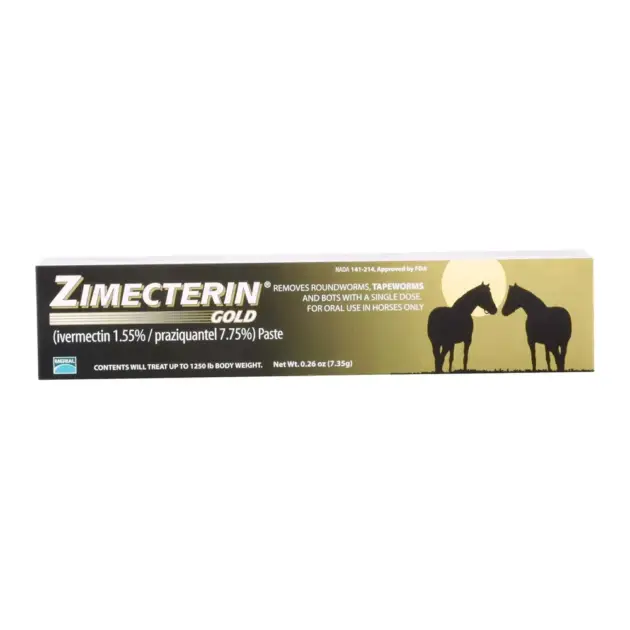
If you keep a dewormer on hand, do it as part of a vet-informed schedule (ideally fecal-based), not because you saw a post online. A product example is Zimecterin Gold Dewormer, which some owners keep for specific seasonal targets under veterinary direction.
Why include this here? Because owners often ask: “Should a dewormer be in my first-aid kit?” My answer: keep it in your barn health cabinet, but don’t treat it like a bandage. Parasite management should be recorded and timed. It’s not a same-day emergency fix.
What is first aid related: if your horse is colicking and you suspect parasites, that becomes part of your history you tell the vet. You do not guess and dose on the spot unless your vet tells you to.
If you want to explore parasite control products responsibly, use the dedicated category and read labels carefully: Dewormer for Horses category.
One last tip: keep fecal results, dates, and products used in a single log. It makes your vet’s job easier and your horse safer.
Safety and Compliance (Prop 65) + Smart Storage for Your Horse First Aid Kit Essentials
This section is boring but important. Some equine products include a California Proposition 65 notice. Your kit should treat that as part of responsible ownership, not a scare tactic.
For more information on Prop 65 warnings, use the official site: https://www.p65warnings.ca.gov/businesses/new-proposition-65-warnings. (Stallion)
Key storage rules I follow:
- Keep meds and ointments in a sealed bin, out of sun, away from feed.
- Store liquids upright to prevent leaks.
- Keep needles/syringes locked up if you have them on-site.
- Track expiration dates every 60–90 days.

If you want a simple “refill trigger,” do this: when you use the last of anything (last roll of gauze, last tube of ointment), you add it to a refill list immediately. I keep that list inside the lid.
For convenient restocking across seasons, it’s practical to keep a single reference link bookmarked like Equine Essential Hub shop, then you filter down to what you need.
Small note: I’ve seen ppl store first aid items in the tack room where mice chew gauze. Don’t do that. Use a hard plastic bin with a tight lid.
Frequently Asked Questions
Do I really need a horse first aid kit essentials setup if I board my horse?
Yes. Even if the barn has supplies, you want your own kit with your horse’s needs, your vet’s numbers, and your preferred bandage sizes. Emergencies happen when staff are busy.
What is the best wound ointment for horses?
It depends on the wound type and location. For minor wounds and skin issues, owners often keep an antimicrobial ointment like Furazone on hand, following label and vet guidance. (Stallion)
What should I do first if I think my horse is colicking?
Call your vet, then start monitoring: heart rate, gum color, gut sounds, manure, and behavior. Keep the horse safe and prevent violent rolling. Your notes help your vet make faster decisions.
Can I give Buscopan for colic at home?
Only under a plan your veterinarian already provided. The product information describes fast onset and short duration, which can support assessment, but it is not for every colic type. (Stallion)
Should I keep wraps in my trailer kit?
Yes. A trailer kit should include cohesive bandage, gauze, and at least one reliable wrap option. Shipping bumps, cuts, and sudden swelling are common “on the road” problems.
How often should I check and restock my first aid kit?
Every 60–90 days, plus immediately after you use anything. It’s kinda common to think you have gauze… until you don’t. A quick inventory saves stress later.