

Key Takeaways – Horse Deworming schedule for spring
A modern deworming schedule spring plan starts with a fecal egg count (FEC), not a “worm-everyone” calendar.
The AAEP recommends using FEC once or twice per year to sort horses into low, moderate, and high shedders and reduce pasture contamination.
Thresholds used in many programs: low <200 epg, moderate 200–500 epg, high >500 epg—then treat and recheck based on your barn risk.
The goal is effective treatment with less resistance by keeping “refugia” (untreated parasites) in the herd.
Use a simple tracker to log FEC results, treatment date/product, and (optionally) a 14-day post-treatment check to confirm effectiveness (FECRT).

1) Why Your Deworming Schedule Spring Plan Should Start With a Fecal Egg Count

A lot of barns still treat “because it’s spring.” I get it—spring feels like reset season. But parasite control has changed because resistance has changed. The AAEP’s internal parasite control guidance keeps pointing back to the same idea: run fecal egg counts once or twice a year to group horses into low, medium, and high shedders, then target the horses that actually need treatment.
That approach reduces pasture egg shedding without blanket dosing everyone.
Now here’s a big misconception I see ppl repeat: “A high FEC means a huge parasite burden.” Not necessarily. AAEP notes that FEC magnitude does not correlate perfectly with total parasite burden and FECs are not meant to diagnose every clinical sign.
So what is FEC great for? It’s great for decision-making: who is shedding and likely contaminating pasture, and whether your program is working.
If you want to build a cleaner spring routine, set up your “fecal-first” flow like this:
- Collect samples before spring turnout or early grazing season.
- Record results and classify shedders.
- Treat only when indicated (or treat baseline + targeted extras, depending on your vet program).
Browse options for your program without guessy shopping: Dewormer for Horses and Horse Care New.
2) The “Fecal-First” Spring Workflow (Simple, Barn-Realistic, and Vet-Friendly)

The best deworming schedule spring plan is the one you can repeat. Here’s the workflow most barns can actually do without drama:
- Pick a fecal date (2–4 weeks before big turnout)
- Collect samples properly (fresh manure, labeled bags, keep cool)
- Run FECs and sort horses into groups
- Treat only where needed (or treat a baseline + target high shedders, depending on your vet’s plan)
- Re-check when it makes sense: high shedders, new arrivals, or when you suspect a product isn’t working
A practical “fecal-first” schedule keeps the barn focused on risk:
- New horse? FEC on arrival + quarantine plan.
- Young horses? Different parasite risks than mature horses (talk to your vet).
- High traffic boarding barn? More frequent monitoring may make sense.
AAEP also recommends using fecal egg count reduction testing (FECRT) to verify drug effectiveness in your herd.
That’s a fancy name for a simple concept: test FEC, treat, then check again (often around 14 days after) to see if egg counts dropped appropriately.
If your barn wants “one place to start,” send them to your store hub for a clean browsing path: Shop equine health essentials and browse horse dewormers.
3) FEC Thresholds That Guide Spring Treatment (Plus a Tiny Visual)

Many programs use these evidence-based “shedding buckets” to decide what to do next:
- Low shedder: <200 eggs per gram (epg)
- Moderate shedder: 200–500 epg
- High shedder: >500 epg
That doesn’t mean low shedders never get dewormed. AAEP guidance still supports baseline treatments for many adult horses while targeting additional treatments to moderate/high shedders to cut pasture contamination.
Translation: fewer random doses, more intentional doses.
4) Matching Spring Horse Dewormers to Real Goals (Not Just Brand Names)
The “best” product depends on what you’re targeting and what’s effective on your farm.
- Moxidectin products are commonly discussed for strongyles and (per manufacturer guidance) can address encysted small strongyles; your vet can advise timing based on region and horse age.
Your on-site example is Quest Gel, which your product page lists as 2% oral gel with moxidectin.
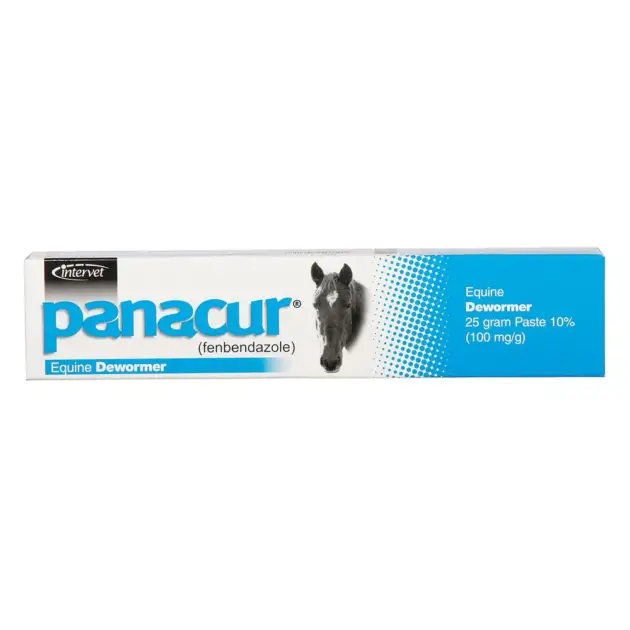
Link for readers who want details: Quest Gel Horse Dewormer. - Fenbendazole protocols are sometimes used in specific situations, including certain encysted strongyle strategies and ascarid concerns (especially in young horses). Your store highlights Panacur® Powerpac as fenbendazole 10% and notes use cases including ivermectin-resistant ascarids.
That’s why it belongs in a conversation about “fecal-first” plans: you pick tools based on need, not habit.
See Panacur® Powerpac Dewormer. - Ivermectin + praziquantel combinations are often used when tapeworm coverage is needed; Zimecterin Gold’s actives are ivermectin + praziquantel.
Your product page details those actives and broad targeting.
See Zimecterin Gold Horse Dewormer.
For browsing without pressure: Shop and Horse Care New.
5) Your Spring Deworming Schedule Template (Adults) Using Fecal-First Logic

Here’s a sample spring-focused framework that aligns with how many modern programs operate (the exact timing varies by region, stocking density, and your vet’s guidance).
Step 1 (Early spring): FEC day
- Collect samples before major pasture turnout or early grazing season.
- Record epg and classify shedding level.
Step 2 (Treat based on results):
- Low (<200 epg): often no immediate treatment, unless your vet plan includes a baseline dose or special risk factors (new arrivals, history, etc.).
- Moderate (200–500 epg): treat and record product + date.
- High (>500 epg): treat, then plan a follow-up FEC and review pasture management.
Last Step .. (Optional but smart): FECRT
- Retest fecals after treatment (commonly ~14 days) to confirm the product worked well in your herd.
Feel Free to check out our Dewormers for Horses and the broader Shop.
6) Pasture & Barn Moves That Make the Deworming Schedule Spring Plan Work Better
If you only change one thing this spring, let it be this: stop thinking “paste = control.” Think “plan = control.”
Barn-level steps that reduce parasite pressure:
- Manure removal from paddocks (even 2–3x/week helps)
- Avoid overstocking; rotate grazing where possible
- Quarantine new arrivals with fecal testing before mixing
- Target high shedders rather than treating everyone the same way
This is where the word refugia matters. Refugia means leaving some parasites unexposed to the drug so resistance grows slower. AAEP discusses using targeted treatment and acknowledges the reality that no dewormer eliminates all stages.
That’s why the fecal-first approach keeps showing up in updated guidance.
A quick “owner reality” note: I’ve seen barns spend a lot on dewormers and still fight parasite issues because turnout is muddy, crowded, and never cleaned. A modest pasture cleanup plan can sometimes do more than swapping brands.
7) Free FEC Tracker
Free FEC Tracker (Spring Deworming)
Tip: Many barns use thresholds like <200 epg (low), 200–500 (moderate), >500 (high). Use vet guidance for your region.
| Horse | Date Sampled | FEC (epg) | Shedding Level | Product Given | Dose Date | 14-Day Recheck (epg) | Notes | Remove |
|---|
8) Safety and Compliance
This product may expose you to chemicals known to the State of California to cause cancer, birth defects, or other reproductive harm. For more information, please visit P65 Warnings.
https://www.p65warnings.ca.gov/businesses/new-proposition-65-warnings
Frequently Asked Questions
How should I set the best and most effective spring deworming plan?
A fecal-first approach works well: run an FEC in early spring, classify shedders, treat moderate/high shedders, then retest if needed. AAEP supports FEC-based stratification once or twice yearly.
What does a fecal egg count actually tell me?
It estimates strongyle-type egg shedding (contamination risk). It does not perfectly reflect total parasite burden and isn’t a catch-all diagnostic for every symptom.
What FEC number means I should deworm?
Many programs use <200 epg as low, 200–500 moderate, and >500 high for adult horses, then treat moderate/high depending on barn risk.
Should I deworm all horses in spring anyway?
Not automatically. Modern guidance often uses a baseline strategy plus targeted treatments based on FEC, which helps slow resistance and keeps pasture cleaner.
What is FECRT and when should I do it?
A fecal egg count reduction test compares FEC before and after treatment (often ~14 days after) to see if the product worked well in your herd.
Which dewormer should I choose?
Pick based on your vet’s plan, your horse’s age, your FEC results, and what’s effective on your farm. Drug effectiveness varies by region and resistance patterns.